
The New Urban Experience: How Work, Culture, and Community Are Evolving in U.S. Cities
 By Christopher David Wilson |
 16 min read
|04 Jun 2026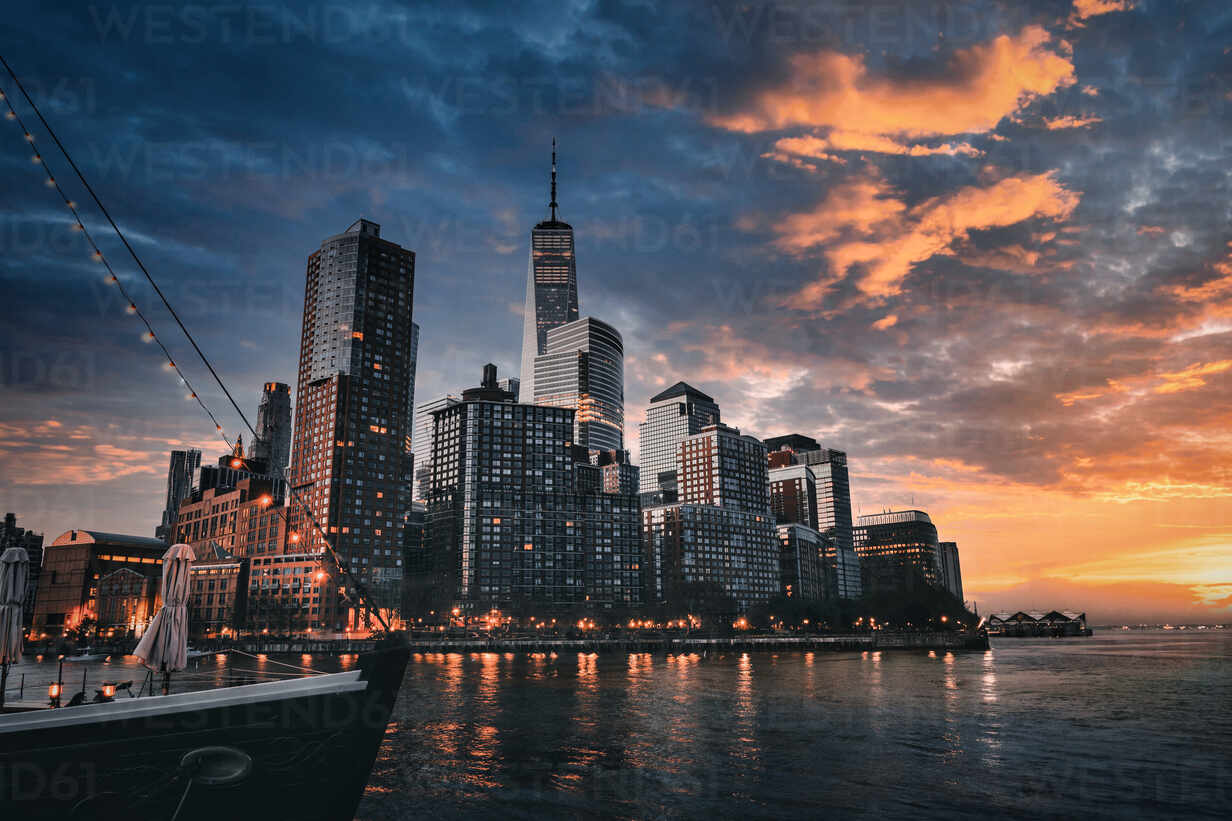
U.S. cities are undergoing a profound transformation as work patterns, cultural dynamics, and community structures evolve. Remote work, shifting demographics, and new lifestyle priorities are reshaping how Americans experience urban life. Today’s cities are becoming more flexible, localized, and people-centered—offering new opportunities to live, work, and connect in ways that reflect modern needs and long-term sustainability.
1. Rethinking the Purpose of Cities
For decades, American cities revolved around centralized business districts and daily commutes. That model is changing. Urban spaces are increasingly designed as mixed-use environments where residential, commercial, and recreational areas coexist. Cities are no longer just places to work—they are becoming ecosystems built around everyday living.
2. Remote Work and Its Urban Impact
The rise of remote and hybrid work has significantly reduced dependence on traditional office spaces. Many Americans now prioritize flexibility over proximity to downtown areas. As a result, neighborhoods are gaining importance, and cities are adapting by converting office buildings into residential or mixed-use spaces.
3. The Shift Toward Walkable Living
The concept of walkable neighborhoods is gaining traction across the U.S. Cities are investing in infrastructure that allows residents to access essential services—such as groceries, cafes, and parks—within a short distance. This approach improves quality of life while supporting local businesses and reducing reliance on cars.

4. Cultural Identity at the Neighborhood Level
Urban culture is becoming more localized. Instead of relying solely on major attractions, cities are seeing growth in neighborhood-based cultural experiences. Local art, community events, and small businesses are shaping identity and fostering a stronger sense of belonging among residents.
5. Housing Challenges and New Solutions
Affordability remains a key issue in U.S. cities. In response, new housing models are emerging, including co-living spaces, accessory dwelling units, and mixed-income developments. These approaches aim to make urban living more accessible while addressing space constraints and rising costs.
6. Evolving Transportation Systems
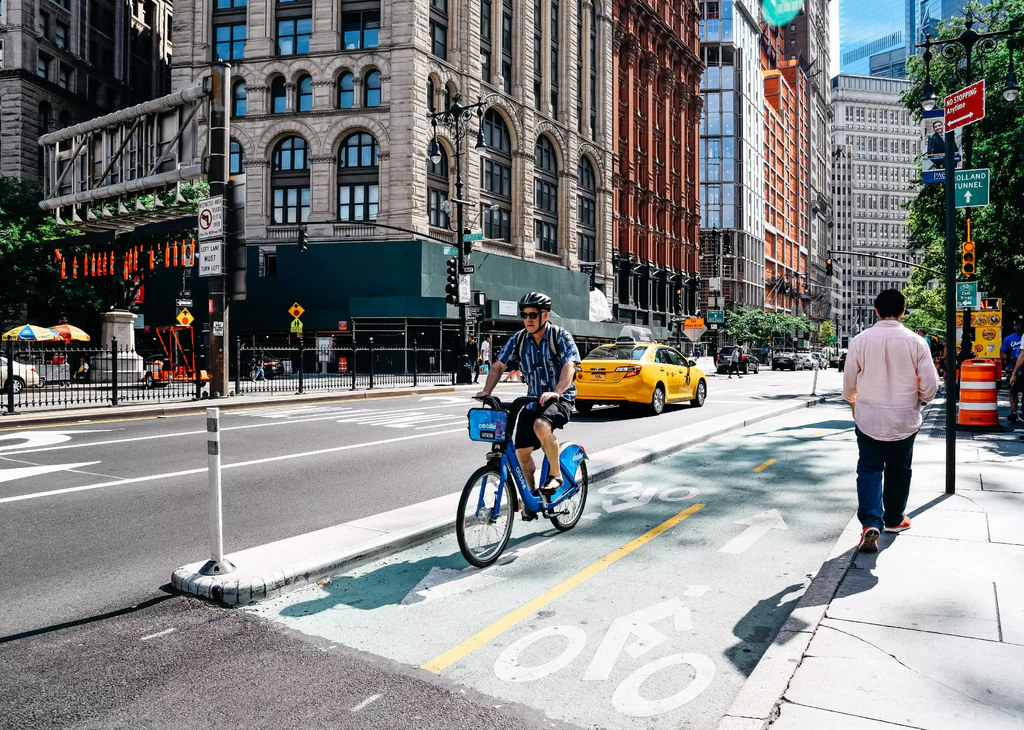
Transportation is shifting from a commute-focused model to a more flexible system. Cities are expanding bike lanes, improving pedestrian access, and integrating micro-mobility options like e-scooters. Public transit is also being modernized to support diverse travel needs throughout the day.
7. The Importance of Community Spaces
As work becomes more decentralized, shared spaces such as parks, libraries, and coworking hubs are gaining importance. These environments provide opportunities for connection, collaboration, and community engagement—elements that are essential for long-term urban well-being.
8. Technology and Smarter Cities
Technology is playing a growing role in shaping urban life. Smart traffic systems, digital service platforms, and data-driven infrastructure are helping cities operate more efficiently. The focus is on enhancing quality of life rather than simply increasing automation.
9. Decentralized Urban Economies
Economic activity is spreading beyond traditional downtown centers. Local businesses and neighborhood services are thriving as residents spend more time close to home. This shift supports more resilient and diverse local economies.
10. A New Way of Living in Cities
Modern urban living is defined by flexibility and personalization. Americans are choosing locations based on lifestyle preferences rather than fixed work requirements. Factors such as community, accessibility, and overall quality of life are becoming central to decision-making.
Conclusion
The new urban experience reflects a broader transformation in how Americans live and work. Cities are evolving into more balanced, adaptable environments that prioritize people over systems. As these changes continue, urban life will become increasingly defined by flexibility, connection, and sustainability—reshaping the future of cities across the United States.
Related Articles


Robert Anthony Brown
How to Plan a Memorable Birthday Party for Any Age
A birthday party is a special occasion that deserves thoughtful planning, whether it's for a child, teenager, or adult. From selecting a theme to organizing entertainment, here’s how to plan a memorable birthday celebration for any age.
5 min read


Stefen
How to Throw a Last-Minute Party Without Stress
Hosting a party on short notice doesn’t have to be overwhelming. With a few smart strategies, you can put together an amazing event with minimal stress. Here’s how to make it happen.
3 min read

Christopher David Wilson
The Best Instagram-Worthy Party Ideas for Social Media Lovers
Throwing a party that looks stunning on social media requires creativity, attention to detail, and the right ambiance. Here are some Instagram-worthy party ideas to wow your guests and followers alike.
4 min read


Abraham Benjamin
Party Etiquette: How to Be the Best Host (and Guest!)
Being a great host or guest at a party involves more than just showing up. Here are some essential etiquette tips to ensure everyone has a fantastic time.
3 min read

Robert Anthony Brown
How to Create the Perfect Party Atmosphere with Lighting and Decor
The right lighting and decor can completely transform a party space, setting the mood and enhancing the overall experience. Here’s how to create an unforgettable atmosphere for your next event.
4 min read


John Michael Smith
The Ultimate Guide to Hosting a Themed Costume Party
Hosting a themed costume party is a fantastic way to bring creativity and excitement to any gathering. From choosing the perfect theme to organizing entertainment, here’s how to make your event unforgettable.
3 min read