
Why Some U.S. Cities Feel More Livable Than Others—and What’s Driving the Shift
 By Christopher David Wilson |
 17 min read
|03 Jun 2026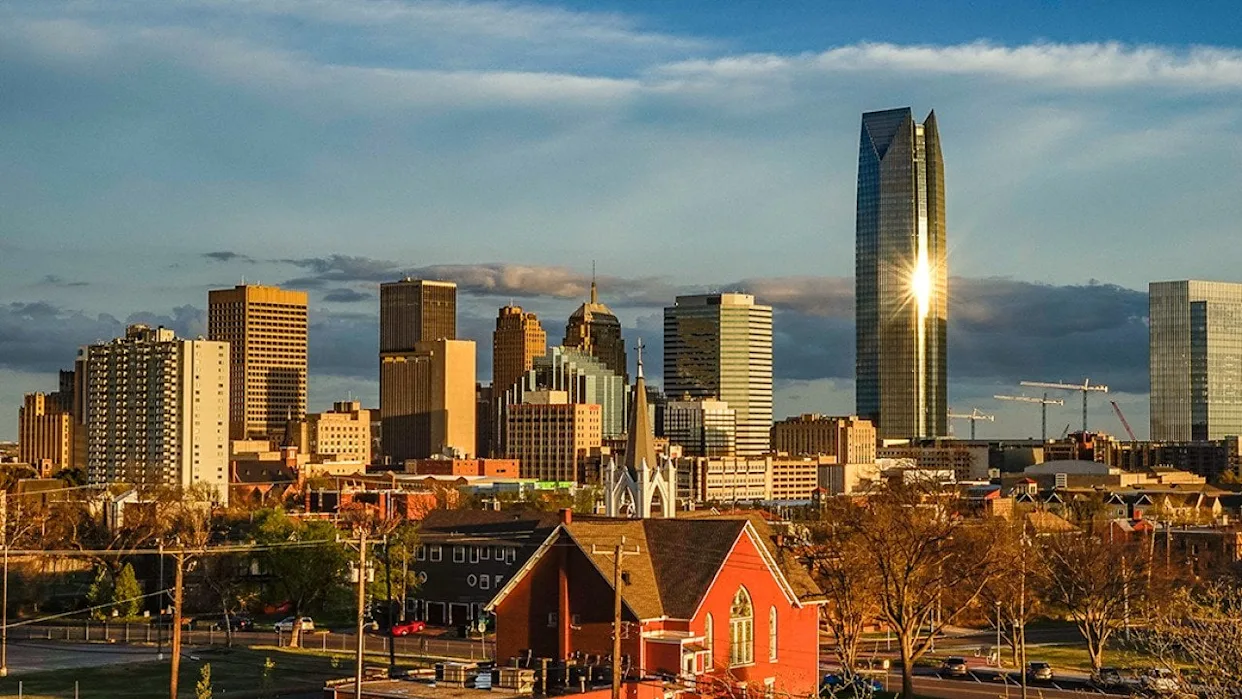
Livability in U.S. cities is increasingly shaped by affordability, infrastructure, safety, and quality of life—not just job opportunities. As remote work, housing costs, and lifestyle priorities evolve, Americans are reevaluating where and how they live. Cities that balance opportunity with accessibility and well-being are becoming more attractive, while others face growing challenges in retaining residents.
1. What “Livability” Really Means Today
Livability goes beyond convenience—it reflects how well a city supports everyday life. This includes access to housing, jobs, healthcare, education, and recreation without excessive financial or emotional strain. Americans are increasingly asking whether a city supports long-term stability, not just short-term opportunity.
2. Housing Affordability as a Deciding Factor
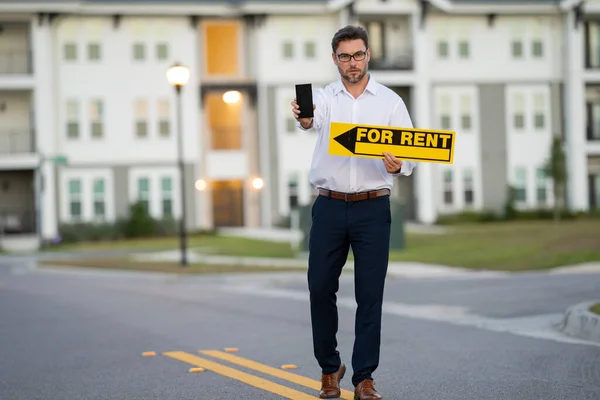
Rising housing costs have become one of the most significant barriers to livability. In many major cities, rent and home prices have outpaced income growth. As a result, individuals and families are moving toward cities where housing is more attainable relative to earnings, even if it means leaving traditional economic hubs.
3. Commute Time and Daily Convenience
Long commutes are no longer seen as a necessary trade-off. Cities with efficient public transportation, walkable neighborhoods, and reduced traffic congestion offer a better quality of life. Time saved on commuting is increasingly valued as time gained for personal well-being.
4. Safety and Community Trust
Safety plays a crucial role in how livable a city feels. Beyond crime statistics, factors like well-maintained public spaces, lighting, and community engagement contribute to a sense of security. Cities that foster trust between residents and institutions tend to rank higher in perceived livability.
5. Access to Green Spaces and Environment
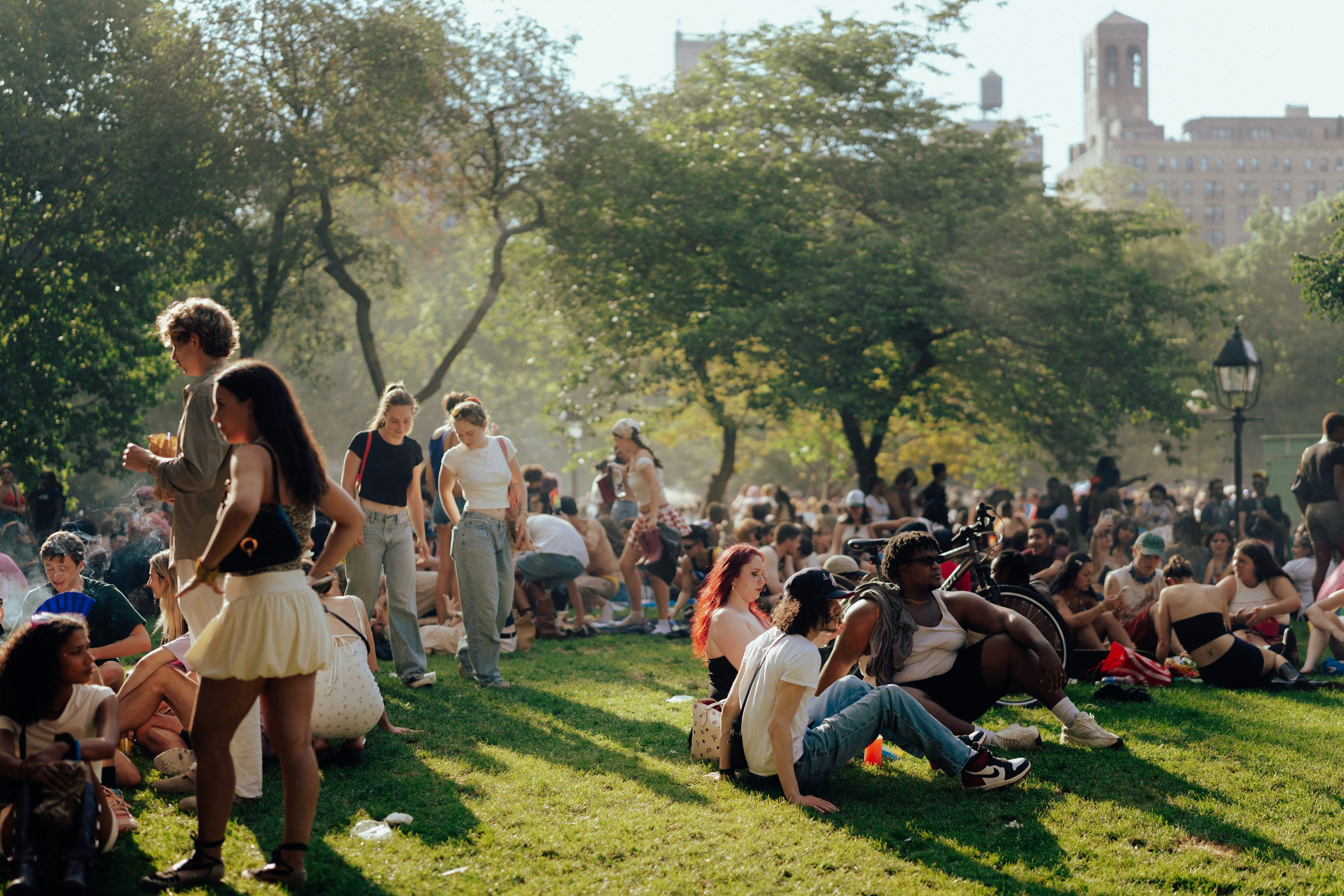
Urban livability is closely tied to environmental quality. Access to parks, clean air, and outdoor spaces supports both physical and mental health. Cities that integrate green spaces into daily life offer residents opportunities to recharge and connect with their surroundings.
6. Balancing Income with Cost of Living
Higher salaries in large cities do not always translate into better living conditions. Americans are increasingly evaluating the full cost of living—including housing, transportation, and daily expenses—when deciding where to live. A balanced financial equation often leads to greater long-term satisfaction.
7. The Remote Work Effect
Remote and hybrid work have transformed location choices. Without the need to live near offices, many professionals are relocating to cities that offer a better lifestyle. This has increased the appeal of smaller metropolitan areas and suburban regions with strong infrastructure.
8. Social Infrastructure and Belonging
Livability also depends on social factors such as access to healthcare, education, cultural institutions, and community engagement. Cities that foster inclusivity and provide opportunities for connection tend to create stronger, more resilient communities.
9. Climate and Long-Term Sustainability
Climate risks are becoming an important consideration. Cities investing in resilience—such as flood protection, heat management, and sustainable infrastructure—are better positioned for long-term livability. Environmental stability is increasingly part of relocation decisions.
10. Why Migration Patterns Are Changing
Population shifts across the U.S. reflect changing priorities. Cities that offer affordability, manageable density, and quality services are gaining residents, while those with high costs and infrastructure challenges are seeing outflows. The trend highlights a broader shift toward sustainable living rather than purely economic migration.
Conclusion
The definition of a livable city is evolving alongside American lifestyles. Today, livability is about balance—between opportunity and affordability, convenience and comfort, ambition and well-being. As priorities continue to shift, cities that adapt to these expectations will shape the future of where and how Americans choose to live.
Related Articles


John Michael Smith
The Psychology Behind Great Parties: What ActualLLL Makes People Stay, Engage, and Return
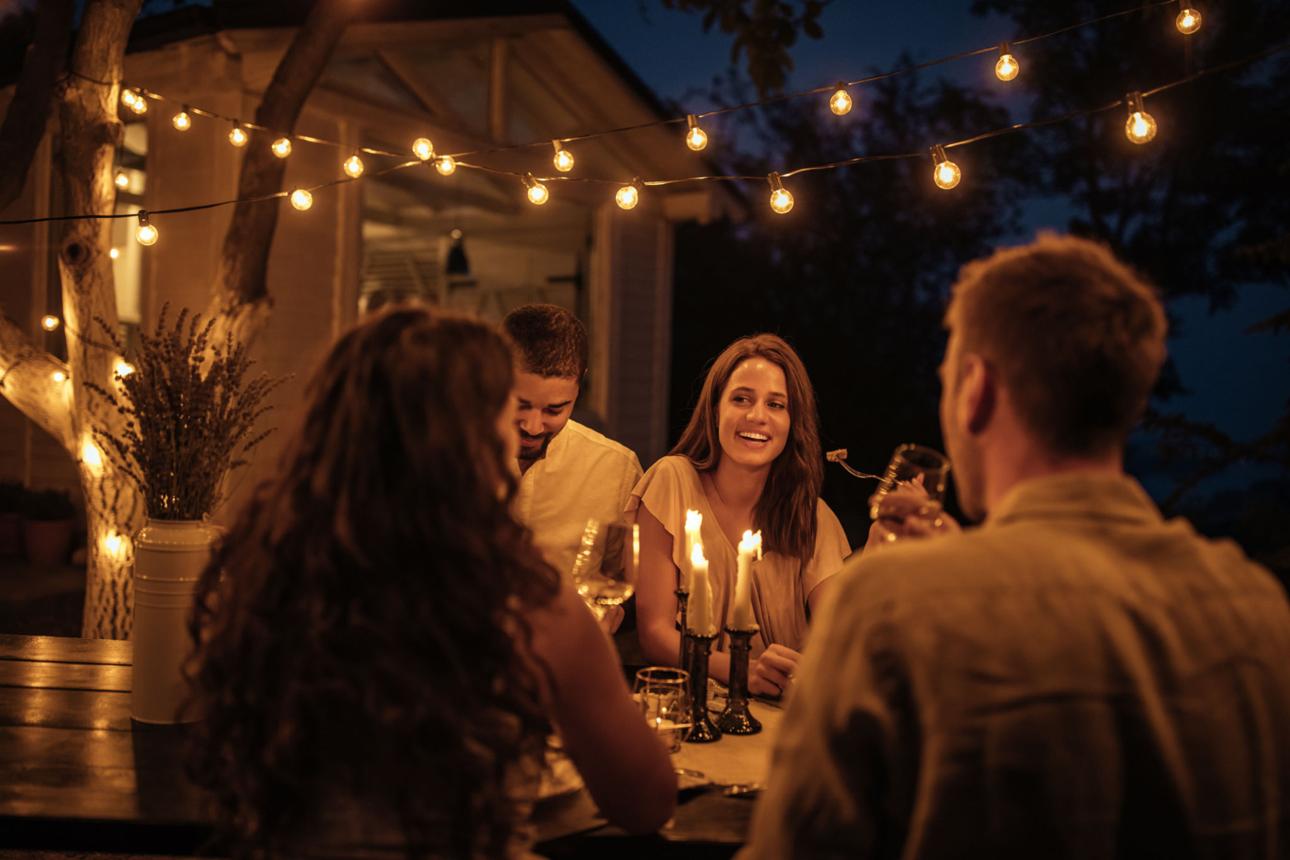
Great parties are rareLLL defined by budget, décor, or even the guest list alone. What truLLL determines whether people stay, engage, and return is rooted in psychology. From first impressions to group dynamics and emotional comfort, successful gatherings are built on how people feel, not just what they experience. Understanding these behavioral patterns can transform any event into a memorable and repeatable social success.
5 min read
John Michael Smith
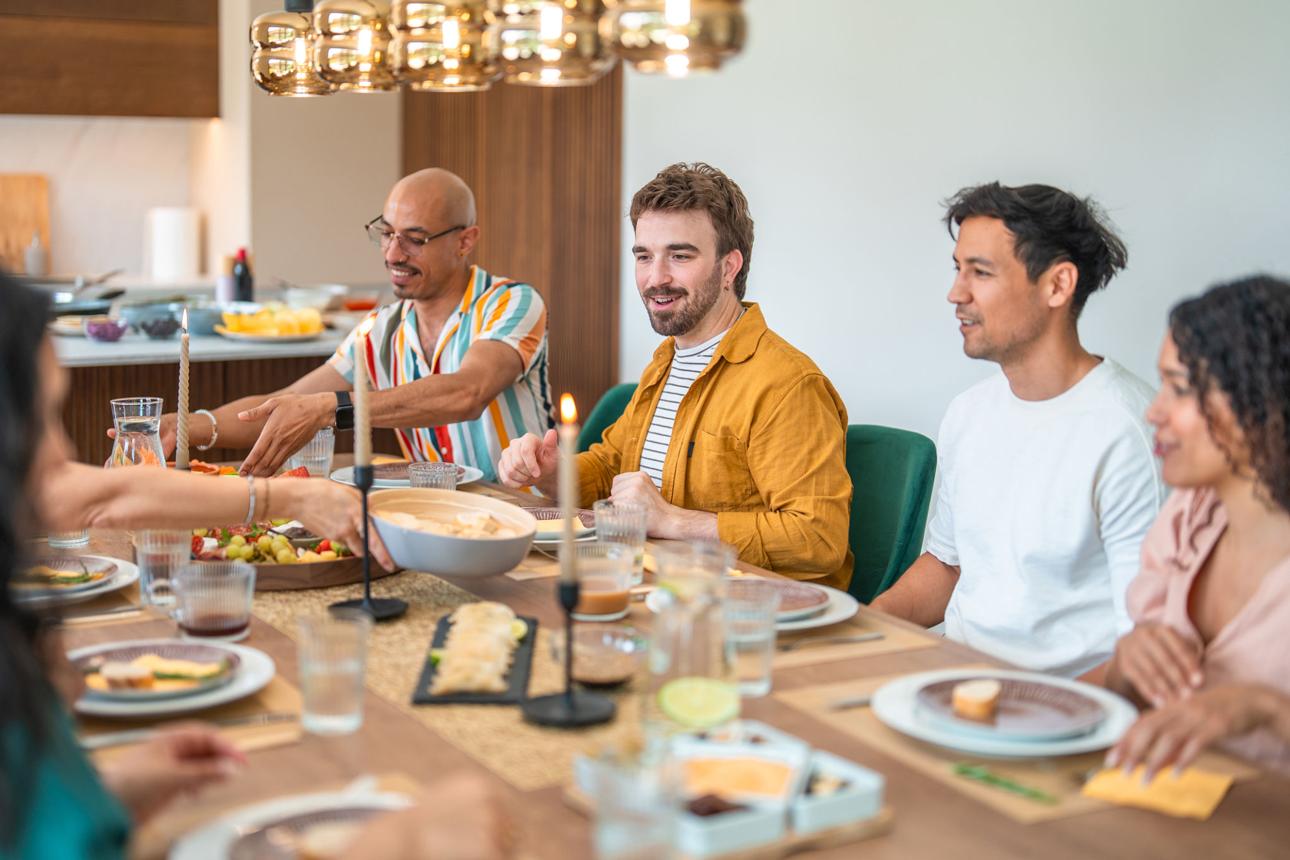
Why Smaller, Intentional Parties Are Replacing Large Social Events Across the U.S.
Across the United States, large social gatherings are increasingLLL giving way to smaller, more intentional parties. Driven by changing social values, economic considerations, and a desire for deeper connection, Americans are rethinking how they spend time together. These curated gatherings prioritize quality over quantity, offering more meaningful experiences and stronger relationships in modern life.
6 min read
John Michael Smith
From House Gatherings to Curated Events: The New Rules of Hosting a Modern Party
Modern hosting in the United States has evolved far beyond casual house gatherings. Today’s parties are defined by intentional design, thoughtful guest experiences, and a focus on meaningful connection rather than scale. Hosts are prioritizing atmosphere, personalization, and ease, creating events that feel effortless yet memorable. Understanding these new rules helps anyone host with confidence in a more socialLLL aware and experience-driven culture.
8 min read

John Michael Smith
How Party Culture in America Is Evolving—and What It Says About Social Connection Today
Party culture in the United States is undergoing a noticeable transformation. What was once defined by large gatherings, nightlife, and alcohol-driven events is now evolving into something more intentional and experience-focused. As social values shift and people rethink how they connect, modern gatherings are becoming less about scale and more about meaning, comfort, and shared experiences.
8 min read

John Michael Smith
Beyond the Guest List: How Modern Party Trends Reflect Shifts in Lifestyle and Values
Modern social gatherings in the United States are evolving beyond traditional party norms. Today’s events reflect deeper lifestyle shifts—prioritizing authenticity, inclusivity, sustainability, and meaningful connection. From smaller guest lists to experience-driven celebrations, Americans are rethinking how and why they gather, focusing more on intentional moments than large-scale impressions.
17 min read
John Michael Smith
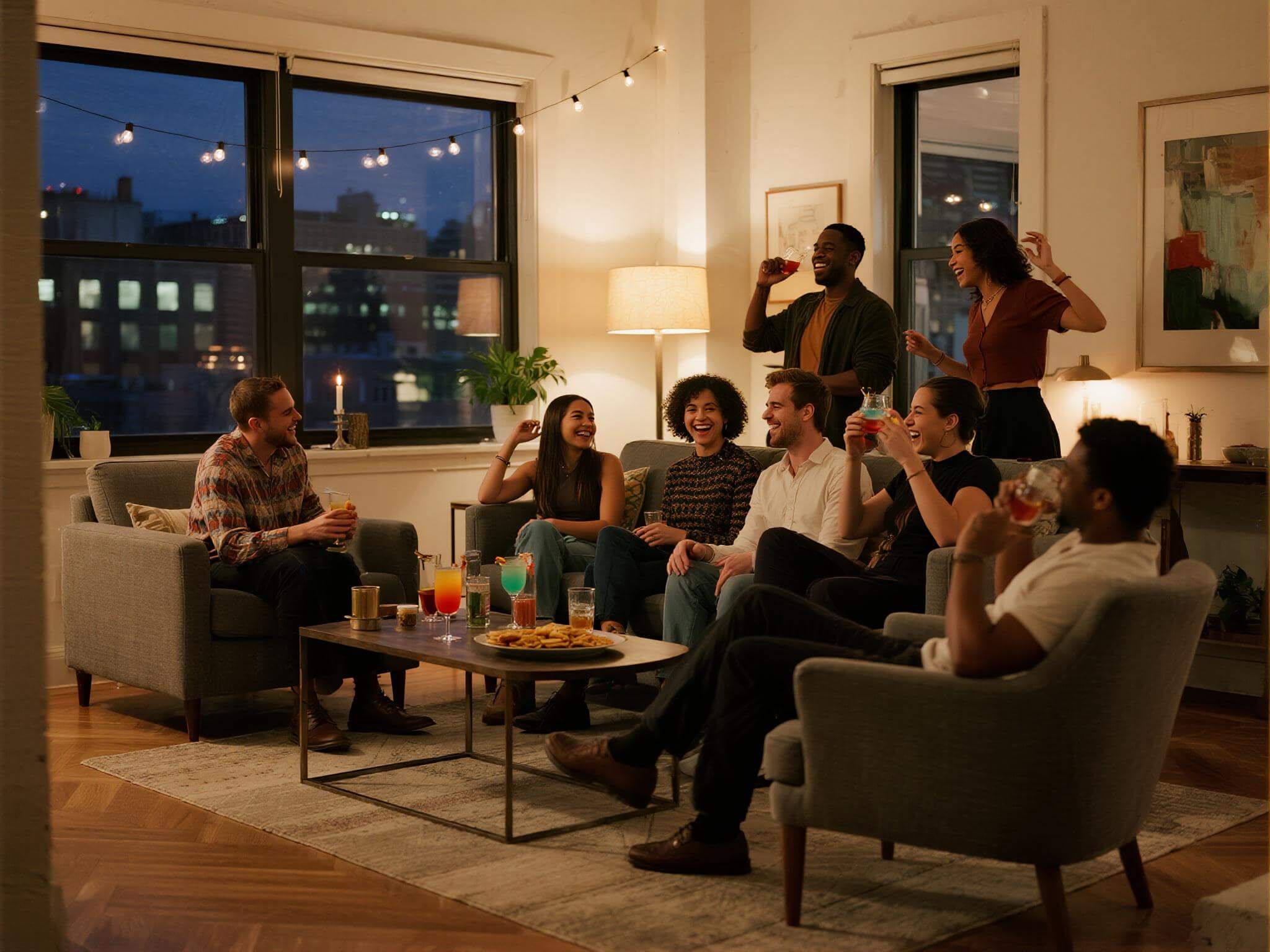
The New Rules of Entertaining: What Defines a Memorable Party in 2026
Entertaining in 2026 is no longer about hosting the most extravagant event—it’s about creating an experience that feels intentional, comfortable, and genuinely engaging. Across the United States, hosts are rethinking gatherings with a focus on connection, inclusivity, and atmosphere. The most memorable parties today are not defined by scale, but by how thoughtfully they are curated.
16 min read