
What Defines Quality of Life in America’s Fastest-Growing Cities?
 By Christopher David Wilson |
 16 min read
|31 May 2026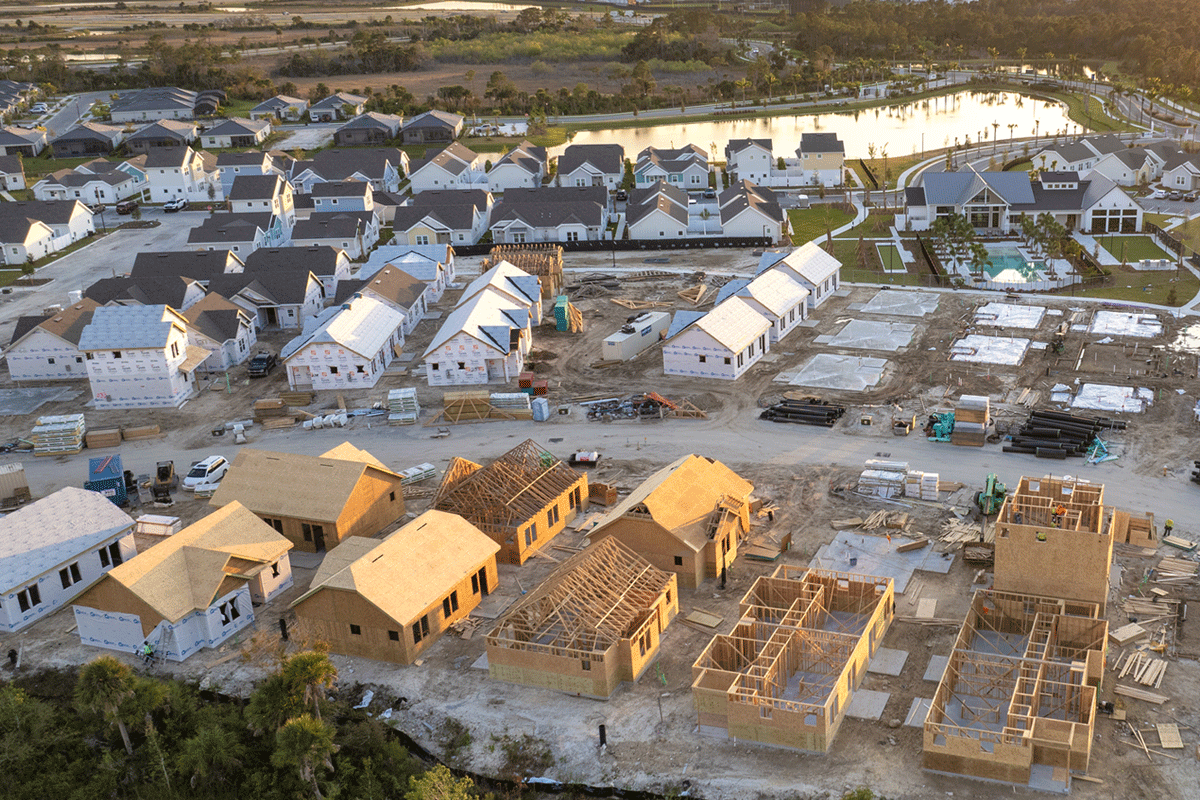
Quality of life in America’s fastest-growing cities is shaped by more than population growth. As cities expand, residents are increasingly focused on affordability, access to opportunity, and daily livability. From housing and infrastructure to healthcare and community, modern urban life is being evaluated through a more balanced, practical lens.
1. Why Fast-Growing Cities Are Gaining Attention
Cities like Austin, Nashville, Raleigh, and Phoenix have seen rapid population growth due to strong job markets and relatively lower costs compared to traditional metro hubs. According to U.S. Census data, migration trends favor mid-sized cities offering both opportunity and lifestyle benefits. However, growth also introduces challenges that directly impact quality of life.
2. Housing Affordability as a Core Indicator
Housing is often the most immediate factor influencing livability. As demand rises, many fast-growing cities experience sharp increases in rent and home prices. When housing costs outpace income growth, financial stress rises and long-term stability becomes harder to maintain, even in economically thriving areas.
3. Job Opportunities and Economic Mobility
Strong job markets attract new residents, particularly in industries like technology, healthcare, and logistics. Cities such as Raleigh and Tampa are emerging as economic hubs. However, true quality of life depends on access to upward mobility—fair wages, career growth, and opportunities for skill development.

4. Infrastructure and Daily Commutes
As cities expand, infrastructure becomes critical. Long commute times are closely linked to stress and reduced life satisfaction. Cities that invest in public transportation, walkable neighborhoods, and efficient road systems offer a more manageable daily experience for residents.
5. Access to Healthcare and Public Services
Healthcare availability is a foundational element of quality of life. Fast-growing cities must scale hospitals, clinics, and mental health services alongside population growth. Reliable public services—including education and emergency response—also play a key role in overall livability.
6. Environmental Quality and Green Spaces
Access to clean air, parks, and outdoor spaces contributes significantly to physical and mental well-being. Cities that prioritize green infrastructure and sustainable planning tend to attract residents seeking a healthier and more balanced lifestyle.
7. Safety and Community Connection
Safety remains a top priority when choosing where to live. Beyond crime statistics, a strong sense of community enhances overall well-being. Neighborhood engagement, local events, and social trust all contribute to a more stable and satisfying living environment.

8. The True Cost of Living
Quality of life is influenced not only by housing but by the broader cost of living. Expenses such as transportation, healthcare, childcare, and daily necessities can significantly impact financial well-being. Residents are increasingly evaluating cities based on total affordability, not just rent or home prices.
9. Lifestyle Flexibility and Work-Life Balance
Modern urban living is closely tied to how people manage their time. Cities that offer flexible work opportunities, recreational activities, and cultural experiences tend to support better work-life balance. This shift reflects a growing preference for sustainable living over constant productivity.
10. What Residents Are Prioritizing Today
Across fast-growing cities, people are prioritizing shorter commutes, safe neighborhoods, access to healthcare, and opportunities for social connection. These preferences highlight a broader shift toward holistic well-being rather than purely career-driven decision-making.
Conclusion
Quality of life in America’s fastest-growing cities depends on how well growth is managed. Economic opportunity alone is not enough—affordability, infrastructure, healthcare, and community all play essential roles. The most livable cities are those that balance expansion with sustainability, ensuring that residents can thrive both professionally and personally.
Related Articles


Stefen
The New Rules of Dating: What Works in Today’s Evolving Social Landscape
Dating in the United States is evolving rapidly, shaped by technology, shifting social norms, and changing expectations around relationships. Today’s successful approach prioritizes authenticity, communication, emotional intelligence, and intentionality. Rather than rigid rules, modern dating emphasizes clarity and compatibility—helping individuals build meaningful connections in a more complex but opportunity-rich environment.
16 min read

Stefen
How Dating in America Is Changing—and What It Means for Modern Relationships
Dating in the United States is evolving rapidly, shaped by technology, shifting cultural values, and changing expectations around commitment. From app-based connections to delayed marriage and more intentional partnerships, Americans are redefining how relationships begin and grow. Understanding these trends helps individuals navigate modern dating with greater clarity, confidence, and long-term compatibility.
16 min read

Stefen
How to Handle Rejection in the Dating World
Rejection is a natural part of dating, but it can still feel personal and discouraging. Learning how to handle rejection with confidence and grace can make the dating experience healthier and more positive.
3 min read


John Michael Smith
Should You Text First? The Modern Rules of Dating
Texting plays a crucial role in modern dating, but many people hesitate to make the first move. Should you text first or wait for the other person to reach out? Here’s what you need to know about the modern rules of dating communication.
3 min read


Abraham Benjamin
How to Know If You’re Ready for a Relationship
Entering a relationship is a big step that requires emotional readiness and self-awareness. Before committing to someone, it’s important to evaluate whether you’re truly ready for a relationship. Here are some key signs to help you decide.
3 min read

Christopher David Wilson
The Best Places for a Fun and Romantic First Date
A first date sets the tone for a potential relationship, so choosing the right location is essential. Whether you prefer an adventurous outing or a cozy setting, here are some of the best places for a fun and romantic first date.
3 min read